
Choosing between Air Fibre and traditional Fibre can feel overwhelming, especially as more providers in South Africa roll out both options and broadband speeds continue to improve. While both technologies offer high-speed internet, they operate in fundamentally different ways. Deciding which one is right for you depends on several factors, including where you live, how you use the internet, and your budget. Understanding the key differences between these two options is essential to making an informed decision that best suits your needs.
What is Air Fibre?
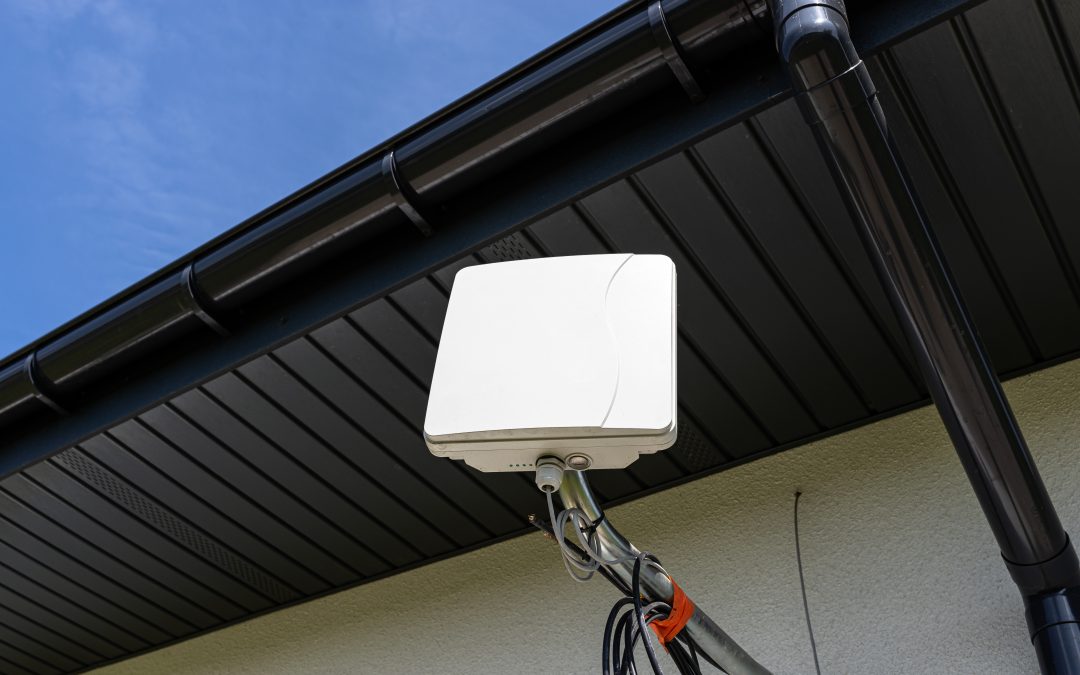
Air Fibre is a wireless broadband service that delivers high-speed internet by transmitting data through radio signals between two antennas. These antennas are typically mounted on rooftops or towers, eliminating the need for underground cables. One of the key requirements for Air Fibre to function effectively is a clear line-of-sight between the transmitter and receiver. Obstructions such as trees, buildings, or even severe weather conditions can impact its performance.
This technology offers several distinctive advantages, including rapid installation and flexible deployment, making it an ideal solution for areas where laying physical cables is costly or impractical. Air Fibre is particularly suited for rural or remote locations with limited infrastructure. Under optimal conditions, Air Fibre can provide connection speeds ranging from 100 Mbps to 1 Gbps, offering a capable alternative to traditional wired broadband services.
What is Fibre Internet?
Fibre Internet, also known as Fibre-Optic Internet, is a wired broadband connection that utilises thin strands of glass or plastic to transmit data as pulses of light, enabling near-light-speed data transfer. Fibre-optic cables can either be buried underground or run along utility poles, providing users with a direct and dedicated connection to the network. This infrastructure is renowned for its exceptional speed consistency, low latency, and immunity to weather-related interference, ensuring reliable performance even under challenging conditions. With speeds capable of reaching up to 10 Gbps, Fibre Internet is widely regarded as the gold standard for users with high bandwidth demands, such as businesses, gamers, and households streaming in ultra-high definition.
Air Fibre vs Fibre: A Head-to-Head Comparison
Speed & Bandwidth
Fibre consistently delivers higher bandwidth, reaching up to 10 Gbps, making it ideal for demanding applications like ultra-high-definition streaming and large file transfers. Air Fibre, on the other hand, typically reaches speeds of up to 1 Gbps under optimal conditions. However, Air Fibre speeds can fluctuate based on environmental factors and signal clarity.
Reliability & Stability
Fibre is highly reliable, as it is largely unaffected by weather conditions or physical obstructions, ensuring consistent performance for daily use. Air Fibre, while reliable in fair conditions, may experience performance drops in adverse weather such as heavy rain or fog, or when the line-of-sight between antennas is impeded.
Latency
Fibre offers exceptionally low latency, making it the superior choice for latency-sensitive activities like online gaming, video conferencing, and other real-time applications. Air Fibre provides generally acceptable latency, but it can experience occasional spikes due to interference or environmental factors.
Installation & Cost
Air Fibre installation is simpler and faster, requiring only antennas and mounting hardware, which keeps upfront costs lower. Fibre, in contrast, involves significant infrastructure work, such as cable-laying, resulting in higher installation costs. Despite this, Fibre is often seen as the better long-term investment for users with heavy bandwidth demands.
Availability
Fibre infrastructure is widely available in urban areas, but can take time to expand to rural or hard-to-reach locations. Air Fibre provides an effective solution for bridging this gap, offering connectivity in areas where Fibre is not yet accessible. This makes Air Fibre a valuable alternative for ensuring internet access in underserved regions.

Which One Should You Choose? A Quick Recommendation Guide
Choose Fibre if:
- You live in an urban area with established Fibre infrastructure.
- You require consistently high speeds to support multiple devices simultaneously.
- You work from home and depend on a stable, high-speed connection for video conferencing or large data transfers.
- You are a heavy internet user who streams content in 4K, engages in competitive online gaming, or runs bandwidth-intensive tasks like cloud computing or large downloads.
Choose Air Fibre if:
- You live in a rural or underserved area where Fibre is currently unavailable.
- You need a fast and affordable internet connection without waiting for Fibre rollout.
- You prefer a quick and straightforward setup that does not rely on a complex cable installation process.
A Hybrid Approach
For some users, a hybrid approach may provide the best solution. Using Air Fibre as a backup or temporary connection while waiting for Fibre infrastructure to expand ensures uninterrupted connectivity and allows you to transition seamlessly when Fibre becomes available.
When it comes to choosing between Fibre and Air Fibre, the decision ultimately hinges on your specific needs and circumstances. Fibre is the clear winner for speed, stability, and long-term performance, making it the ideal choice for households or businesses that demand high-speed and reliable internet for tasks like streaming, gaming, or remote work. On the other hand, Air Fibre excels in flexibility, affordability, and accessibility, particularly in areas where traditional Fibre infrastructure has yet to reach.
The “best” option truly depends on factors such as your location, budget, and how you plan to use your connection. Understanding these differences can help you make an informed decision that aligns with your priorities.
Take the Next Step
Curious to know if Fibre is available in your area? Use our coverage checker or get in touch with our team for personalised guidance. Start by assessing your options today and ensure you get connected with the solution that meets your needs!